
When a good habit fails, most of us blame ourselves. We say we lacked discipline, or that we are just not the kind of person who exercises, reads or saves money. The self blame feels honest, but it misses the bigger force at work. Long before willpower gets a say, your surroundings have already made the decision easy or hard. The person who reads every night is often just the person whose book is on the pillow and whose phone is charging in another room.
Willpower is real, but it is a small and tired resource. You use it up on decisions and stress all day, and by evening there is little left. Your environment never gets tired. It works quietly, shaping what you reach for and what you ignore. If you want a habit to stick, the smartest move is not to try harder. It is to rearrange the room so the right choice is the easy one.
Your surroundings decide what is easy
Think about the last time you ate something you had decided not to eat. Chances are it was sitting in front of you, already open and within reach. Now think about the last time you skipped a workout. Chances are the gym bag was in a cupboard and the shoes were upstairs, and going meant ten small steps before the exercise even began. The habit did not fail because you were weak. It failed because the path to it was full of friction while the path away from it was smooth.
This is true for almost every habit. The visible and the convenient win, again and again. A bowl of fruit on the table gets eaten. A guitar leaning against the wall gets played. A book on the bedside table gets opened. It is design, and you are the designer of your own rooms. Our article on what a simple life actually looks like in practice makes a similar point: a simpler space does not just look calmer, it makes the calmer choice easier to make.

Make the good choice the obvious choice
The simplest way to change a habit is to change what you see first. If you want to drink more water, put a full glass where you sit in the morning. If you want to write, leave the notebook open on the desk with a pen on top. If you want to stretch, leave the mat unrolled on the floor. You are not relying on memory or motivation, only on the fact that the thing is right there, asking to be used.
When the healthy option is the first thing you see, you choose it almost without thinking. When it is hidden in a drawer, you have to remember it, want it, and then go and get it, which is three chances to give up. The same principle explains why our piece on how to stop living on autopilot and start paying attention starts with noticing one ordinary moment: attention follows what is placed in front of it.
Remove the friction from the habits you want
Once the good choice is visible, make it as easy as possible. Lay out your walking shoes the night before. Prepare the healthy lunch while you cook dinner. Keep the instrument, the paints or the running gear where you can grab them in ten seconds. Every step you remove is one less reason to put it off.
Think of reading as a chain of small actions: finding the book, finding a quiet spot, sitting down and opening it. If any link is awkward, the whole habit breaks. Shorten the chain. Keep the book where you sit and the quiet spot ready. Our article on why small daily actions beat big occasional efforts shows why this matters: small actions repeated daily build a life, and small friction repeated daily kills a habit.
Add friction to the habits you want to break
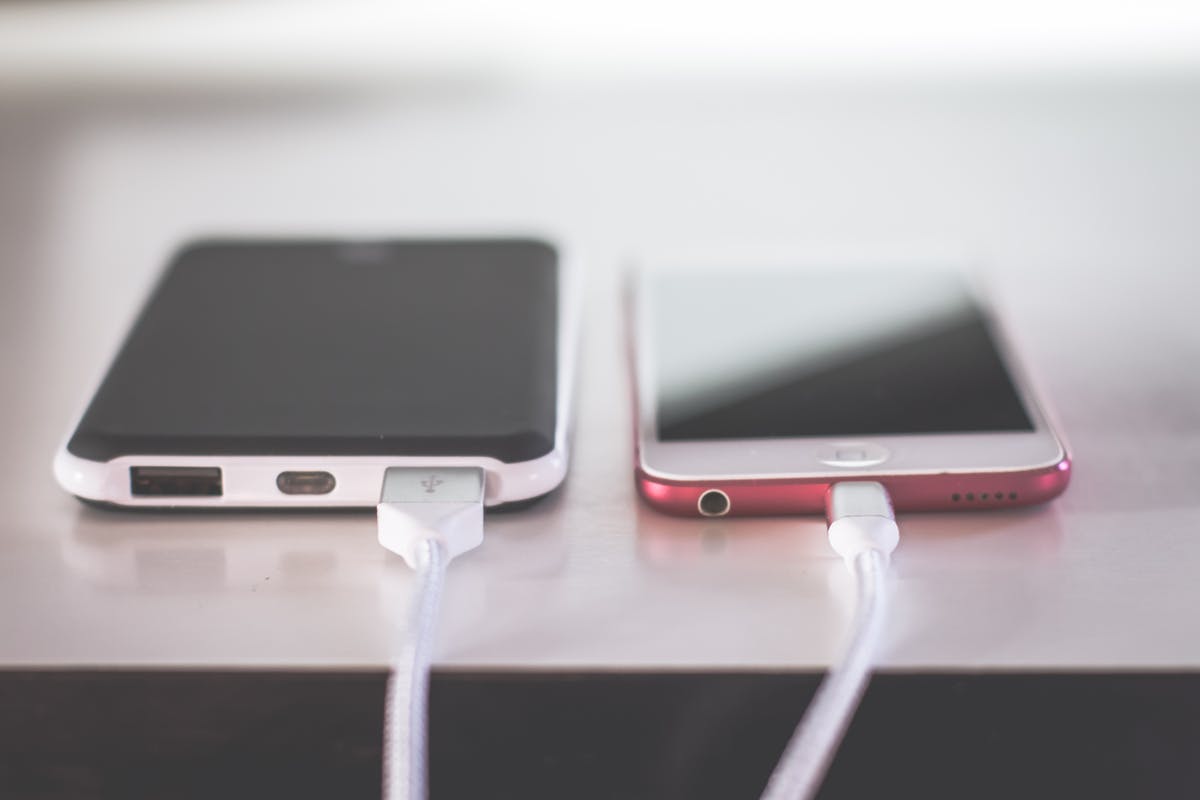
The same trick works in reverse. If you want to spend less time on your phone, do not rely on willpower to ignore it. Make it harder to reach. Charge it in the kitchen overnight. Log out of the apps that pull you in. Put the television remote in a drawer instead of on the arm of the sofa. You do not need to ban these things. Just add a few seconds of effort between you and them, so your better judgement has time to catch up.
This is not punishment, it is honesty. You know the evenings when you are tired and the phone is right there are the evenings you will scroll for an hour. Changing the setup is kinder than scolding yourself afterwards. Our piece on how to stop checking your phone every few minutes looks at this in detail, and its best advice is practical, not moral: change the environment and the habit follows.
Design one corner before you redesign your life
Changing your whole environment at once is a project you will put off. Changing one corner is a task you can do tonight. Pick the habit that matters most and redesign the space around that one habit only. If it is reading, make one chair the reading chair, with a lamp and a stack of books. If it is cooking, clear one shelf for the ingredients you actually use. If it is morning exercise, set up one corner with the mat and shoes ready.
One corner done well teaches you something important: you are not stuck with the life your rooms currently produce. You can change the inputs and watch the outputs change. Once one corner works, the next one is easier, because you have proof the method works for you. Our article on how to make your home a place that calms you down describes how a calm room creates a calm mind, and the same logic applies to any habit you want to build.
Let your environment carry you on tired days
The real test of a habit is not a good day. It is a tired day, a busy day, a day when everything goes wrong. On those days willpower is gone and only the environment is left. If the running shoes are by the door, you might still go. If the fruit is on the table, you might still eat it. If the phone is in another room, you might still sleep well. The environment is the safety net that catches you when motivation drops you.
That is why people who seem disciplined often live in well arranged rooms. They are not fighting themselves all day. They set things up once, and then the setup does the work for them, day after day. You can do the same. Start with one habit, one corner, one small change tonight, and let your surroundings do the heavy lifting. Our piece on how to finish what you start instead of drifting away looks at the other half of this: once the path is clear, finishing is a matter of taking the next small step.
- Put the good habit where you can see it
- Remove one step between you and the habit
- Add a little friction to the habit you want to break
- Redesign one corner, not your whole life
- Let the setup carry you on tired days
You do not need more willpower. You need a room that is on your side. Arrange it once, and it will quietly vote for the person you want to become.